


Core Red Project
The ecosystem's laboratory
Tools that were never meant to ship. They exist because the ecosystem needed them first.
Experimental by design
La Rama Técnica
Internal infrastructure, low-level tools and technical experiments that were never meant to be released — but eventually are. Not end-user software. The technical backstage that makes the rest of the ecosystem possible.
This branch is for the developer who looks at the edges, not the center. Systems that do not need visibility to be solid. Utilities that observe, support and do not ask for attention.


Clytia
Project
est. 2027A validation and trust engine for software, infrastructure and systems.
Clytia is a validation engine designed to evaluate artifacts, environments and systems through verifiable criteria. It brings together technical evidence, assessment results and operational requirements to produce consistent trust decisions. Its purpose is to establish a formal process where validation is as important as building.

Clytia Aegis Red
Security Tool
est. 2027An offensive assessment tool for discovering risks before they become incidents.
Aegis Red is an offensive security tool focused on identifying weaknesses across applications, services and infrastructure. It combines reconnaissance, simulation and active analysis to generate evidence for validation and hardening workflows. Its objective is to discover risk conditions before they reach real environments.
Clytia Codex Veil
Web Application
est. 2027A knowledge repository for standards, findings and validation workflows.
Codex Veil centralizes documentation, research, patterns and references related to security and validation. It organizes accumulated knowledge to preserve context, support decisions and maintain consistency across criteria and workflows. It acts as a permanent source of reference for the Clytia family.
Clytia Core
CLI Tool
est. 2027The entry point for executing validations, audits and trust workflows.
Clytia Core is the primary implementation of Clytia. It processes artifacts, executes assessments and generates structured results for integration, automation and auditing. Every workflow built on top of Clytia starts here.
Clytia Nomos
Library
est. 2027The library that defines criteria, policies and rules for validation workflows.
Nomos is a library for modeling trust and validation criteria. It organizes policies, standards and requirements into reusable structures that can be evaluated consistently. It provides the common language on which Clytia validation workflows operate.
Clytia Velatrix
Security Tool
est. 2027A resilience laboratory for measuring stability, capacity and behavior under pressure.
Velatrix is a resilience testing tool for applications and services. It executes load, stress and controlled degradation scenarios to identify operational limits and failure points. Its purpose is to understand how a system behaves when conditions are no longer ideal.

Black Pillar
Desktop Application
est. 2026The ecosystem's observability infrastructure — centralizes logs, events, and signals from every product in real time.
Black Pillar centralizes the logs, events, and signals from every product and environment in the Sxnnyside ecosystem. It receives, processes, and preserves every signal — from production errors to routine activity. Everything that happens in the ecosystem ends up here, with context and chronology.
Black Pillar API
Web Application
est. 2026The official communication layer between ecosystem applications and Black Pillar.
Black Pillar API is the structured entry point to the system — the interface through which ecosystem products send their logs and events to the Core. Every application that reports to Black Pillar does so through here. The channel that turns distributed activity into centralized memory.
Black Pillar Core
CLI Tool
est. 2026The core that receives, processes, and preserves every signal from the ecosystem.
Black Pillar Core is the system’s nucleus — the engine that receives logs from all environments, processes them, and stores them with integrity. The layer on which the rest of the system exists. Without the Core, there is no memory.
Black Pillar Eye
Web Application
est. 2026The observability panel — where the ecosystem becomes visible.
Black Pillar Eye is the system’s visualization interface. It turns the ecosystem’s log and signal stream into a readable panel — metrics, events, traces, real-time status. What Black Pillar knows, Eye shows.
Black Pillar Sentynel
Security Tool
est. 2026The process that carries logs from remote environments to Black Pillar — regardless of where they run.
Black Pillar Sentynel is the system’s remote collection agent. It runs silently on separate servers and environments — VPS, external infrastructure, isolated environments — and forwards their logs to the central Black Pillar server. The ecosystem has no physical boundaries. Sentynel makes sure that doesn’t matter.
Orph
CLI Tool
est. 2026A local harness for offline and resource-constrained devices — no network, no dependencies, no surprises.
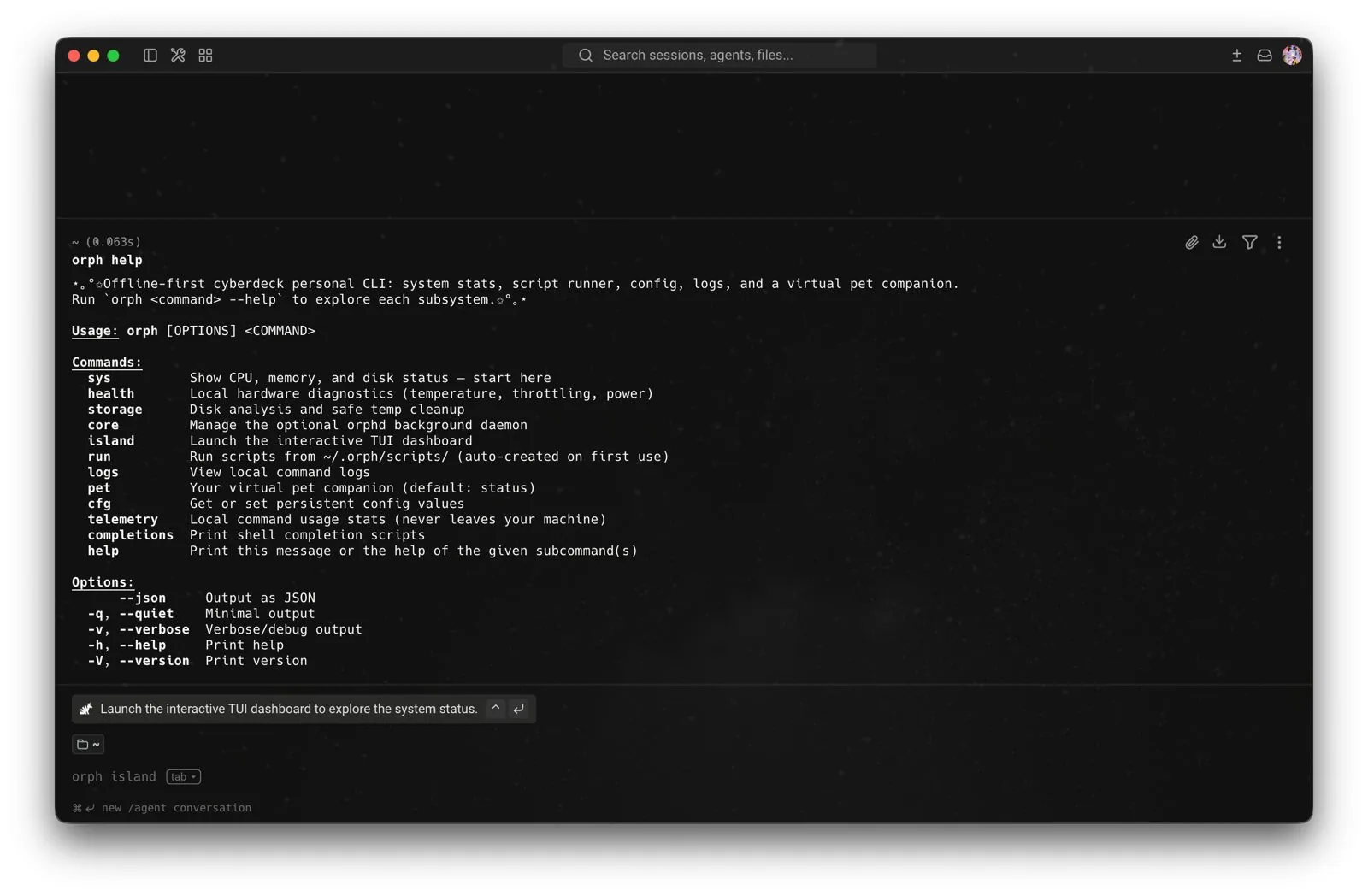
Orph is a local harness for Raspberry Pi and offline, resource-constrained devices. It standardizes on-device workflows — script execution, config management, system inspection — without requiring a network, a package manager, or anything beyond the binary. It ships as two binaries: orph (the CLI) and orphd (an optional background daemon). Everything lives in ~/.orph/. No external calls. No cloud. No surprises. Orph isn’t competing with modern CLI toolkits — it’s competing with the friction that comes with running headless, offline, or on hardware where things break quietly and nothing is guaranteed.
Orph CLI
CLI Tool
est. 2026The primary Orph binary — inspection, scripts, and config with no prior installation.
Orph CLI is the system’s primary binary. Drop it, run it. Script execution, system inspection, and config management in a single binary with zero runtime dependencies. The entry point for any device running Orph.
Orph Daemon
CLI Tool
est. 2026The optional Orph daemon — keeps state and processes running in the background.
Orph Daemon is Orph’s optional background process. When the device needs persistence across sessions — active processes, maintained state, scheduled tasks — orphd handles it without requiring manual intervention. Silent by design, active when needed.

Signalite
Intelligent Assistant
est. 2026The system that watches your inbox and alerts you when something matters — without you having to look.
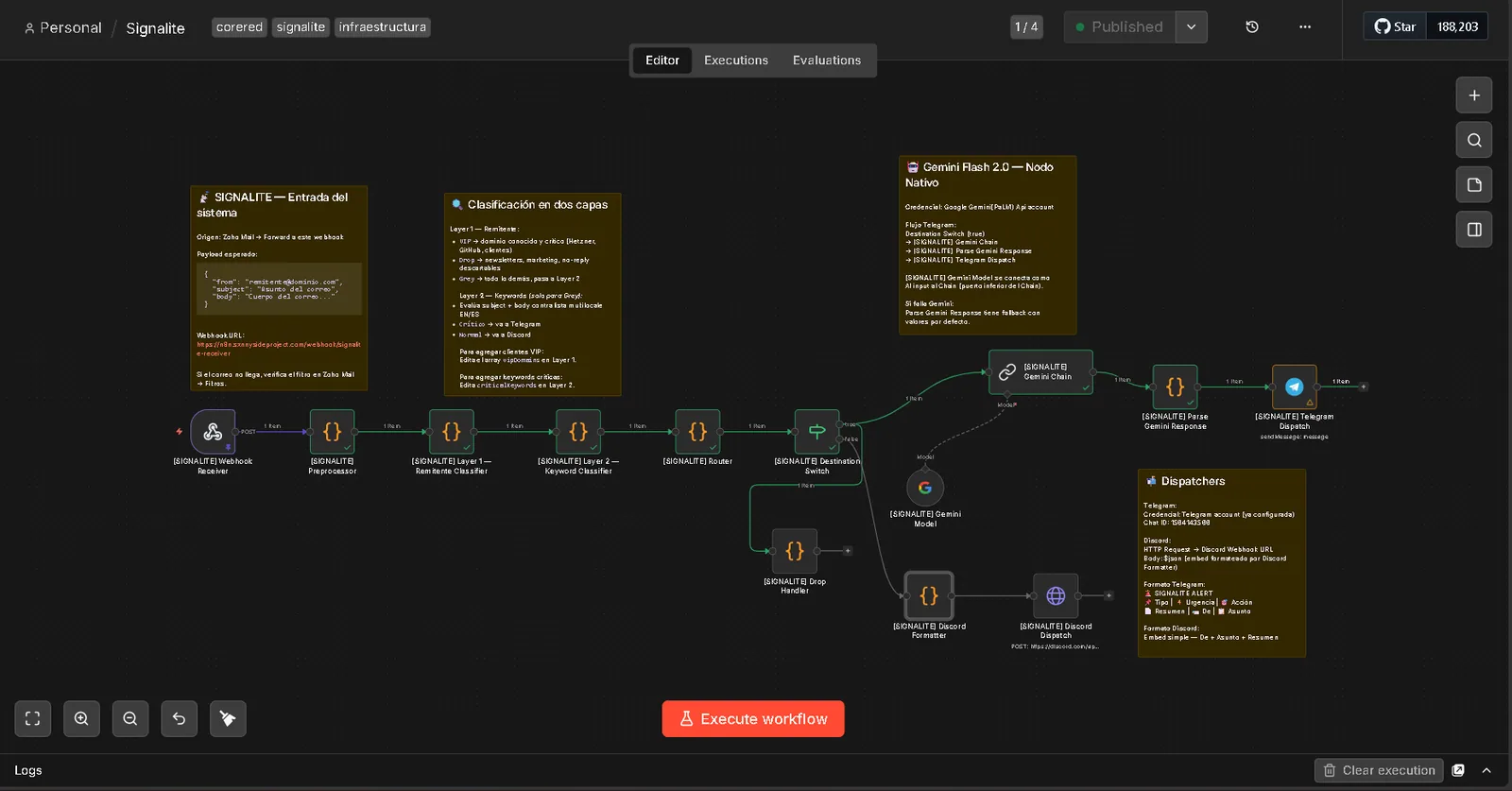
Signalite intercepts incoming mail, classifies it silently, and emits a signal when something requires your attention. No inbox to check. No noise to filter manually. Just the right signal, in the right channel, at the right moment. Intelligent notification infrastructure built on n8n and Zoho Mail — lightweight, operational, no interface of its own.

Obfusku
Programming Language
est. 2025An esoteric programming language built on symbols that resist surface reading.
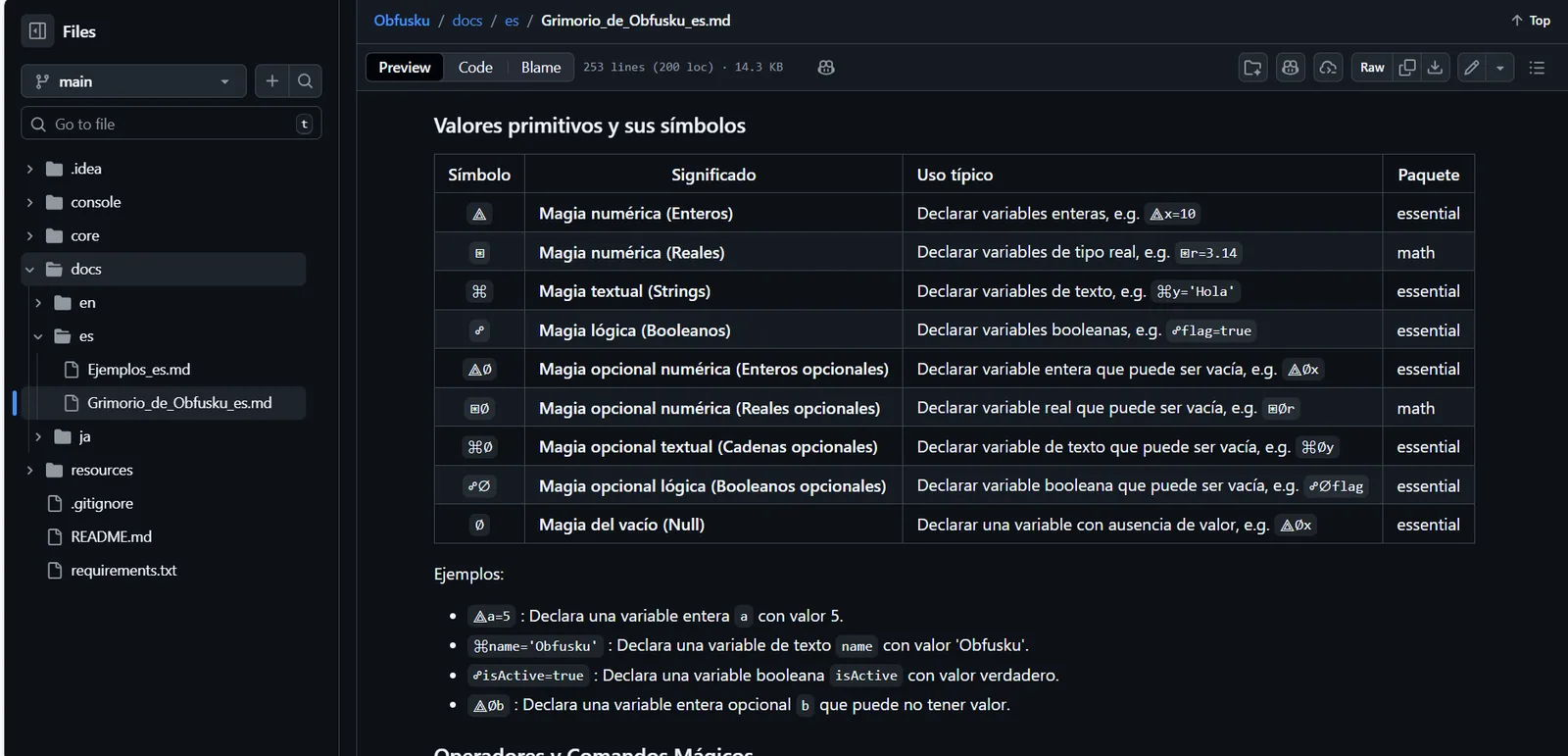
Obfusku is an esoteric programming language whose vocabulary is symbols. No recognizable keywords, no conventional readability — just a symbolic grammar that works with precision and resists immediate interpretation. The code exists, operates, and owes no explanations to anyone.

Obfusku Playground
IDE
est. 2027Isolated testing environment — experiment without project structure, without prior context.
An isolated space to experiment with Obfusku without the structure of a formal project. Write, execute, observe behavior in real time. The Swift Playground equivalent for a language that doesn’t ask permission.
Obfusku Toolbox VSCode Extension
IDE
est. 2026The specialized development environment — built from the inside, for what other editors don’t understand.
The specialized development environment for Obfusku. Specific tooling for a language that general-purpose editors don’t understand — without the compromises of the generic. Designed alongside the language, not adapted after the fact.

Obfusku VSCode Extension
Editor Extension
est. 2026Official Obfusku support for VS Code — syntax, highlighting, and language tooling.
The official Obfusku extension for Visual Studio Code. Adds syntax support, highlighting, and essential language tooling directly to the editor — for those developing in Obfusku from VS Code.
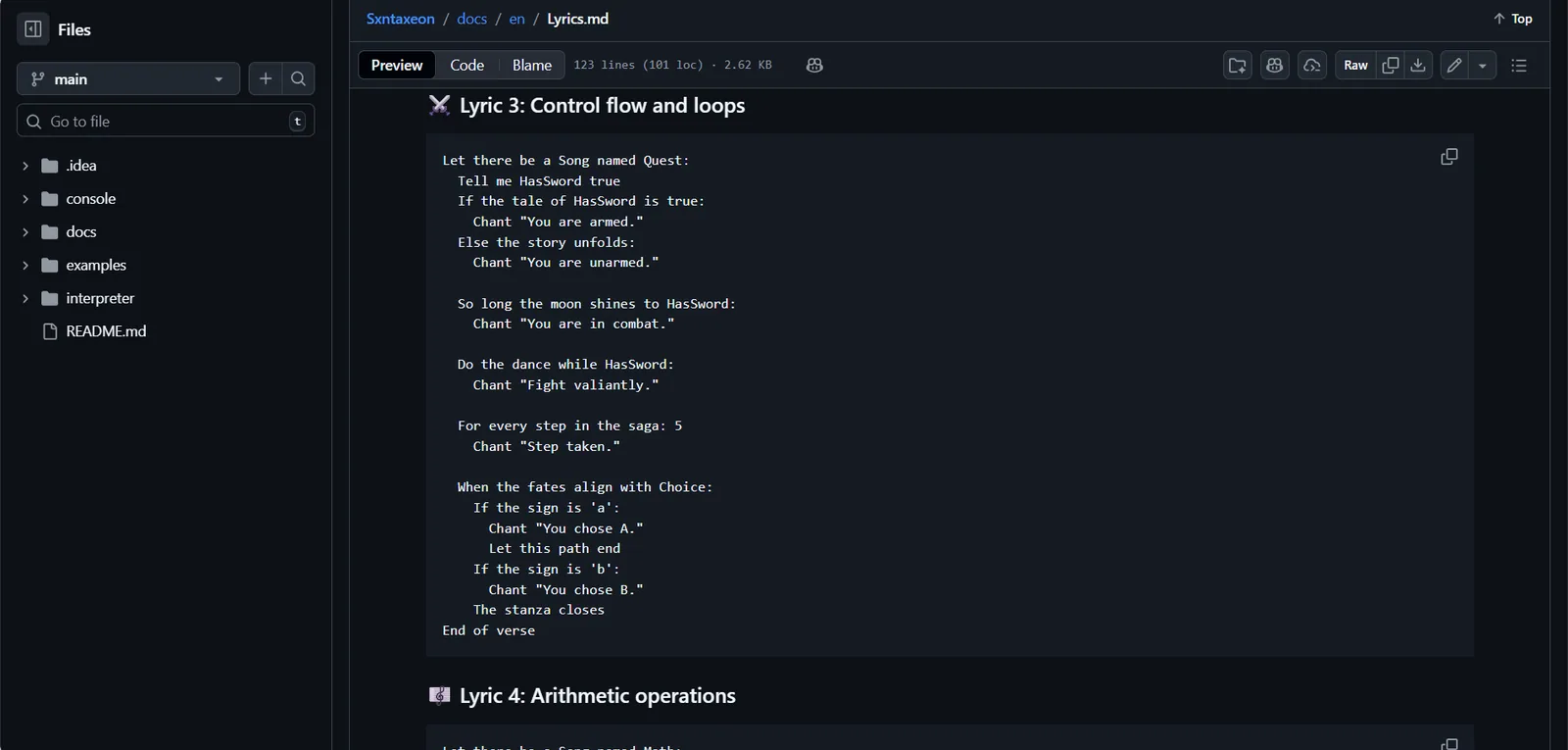
Syntaxeon
Programming Language
est. 2025An esoteric programming language where code is written as poetic prose.
Syntaxeon is an esoteric programming language whose grammar is built on poetic prose. No cryptic symbols — there’s structure, rhythm, linguistic intent. The code reads like text, but executes like a machine. For those who understand that natural language and programming language don’t have to be separate worlds.
Syntaxeon Orchesta Extension
IDE
est. 2027The specialized editor that turns code execution into an auditory experience.
Syntaxeon Orchesta is the dedicated editor for the Syntaxeon language. It provides syntax support, highlighting, and tooling built specifically for a language whose grammar is constructed from poetic prose. Every execution produces audio output — the code doesn't just run, it resonates. The name is not decorative.
Syntaxeon VSCode Extension
Editor Extension
est. 2026Official Syntaxeon support for VS Code — syntax, highlighting, and language tooling.
The official Syntaxeon extension for Visual Studio Code. Adds syntax support, highlighting, and essential language tooling to the editor — for those developing in Syntaxeon from VS Code.
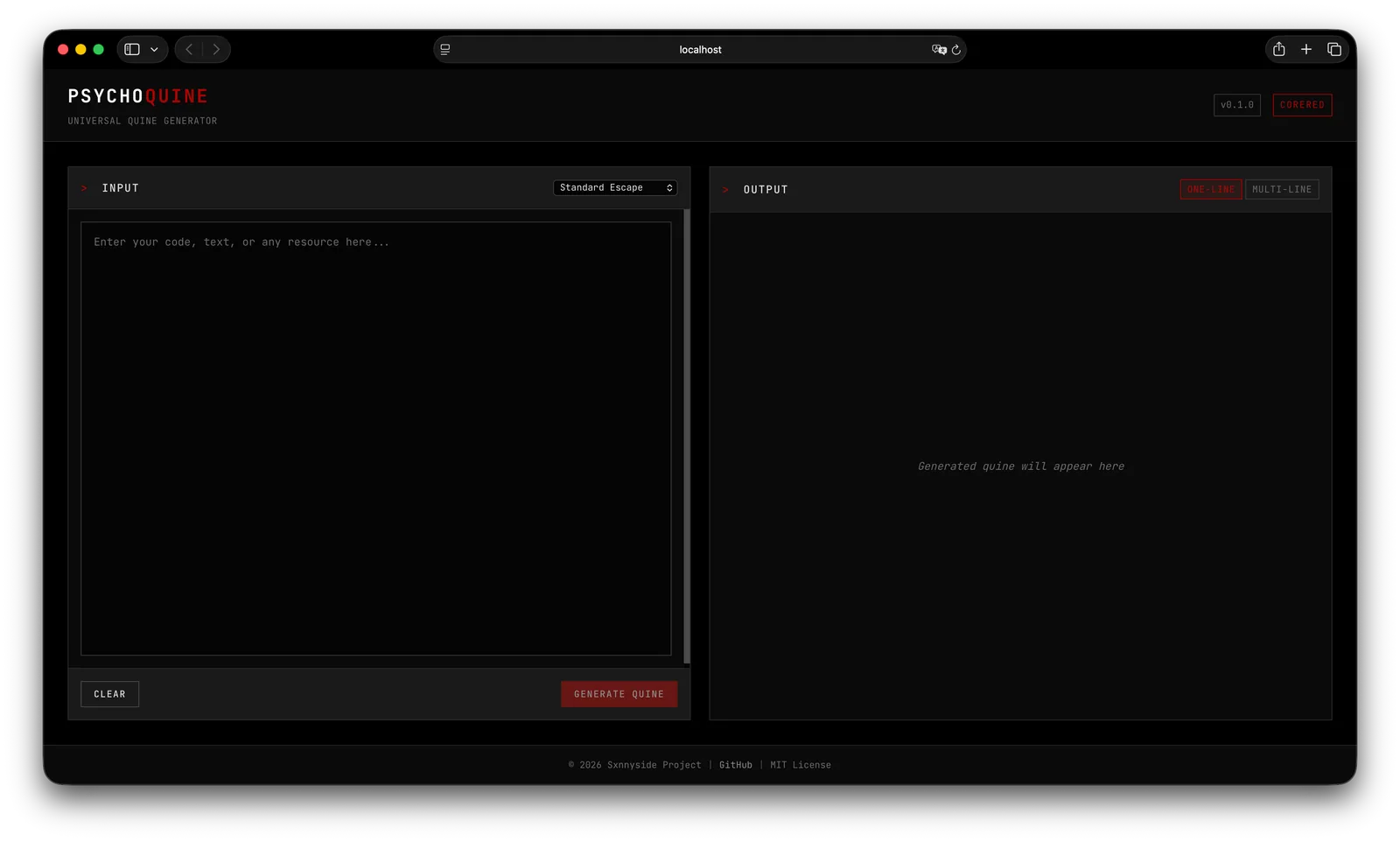

PsychoQuine
Desktop Application
est. 2025A universal quine generator — code that replicates itself from any input.
PsychoQuine is a universal, resource-agnostic quine generator. It takes any textual input — programs, SDKs, configurations, any text — and transforms it into a self-replicating program structure. Minimal, precise, uncompromising. Just raw functionality delivered with surgical precision.
PsychoQuine CLI
CLI Tool
est. 2025PsychoQuine on the command line — integrate the generator into any workflow.
PsychoQuine CLI exposes the generator as a command-line tool. Integrable into scripts, pipelines, and automation flows — for those who work where the browser doesn’t reach.
PsychoQuine Web
Web Application
est. 2025The PsychoQuine web interface — generate quines from the browser without installing anything.
PsychoQuine Web brings the generator to the browser. Paste any input, select the target language, and get your quine structure instantly — nothing to install, nothing to configure. The power of PsychoQuine with zero access friction.
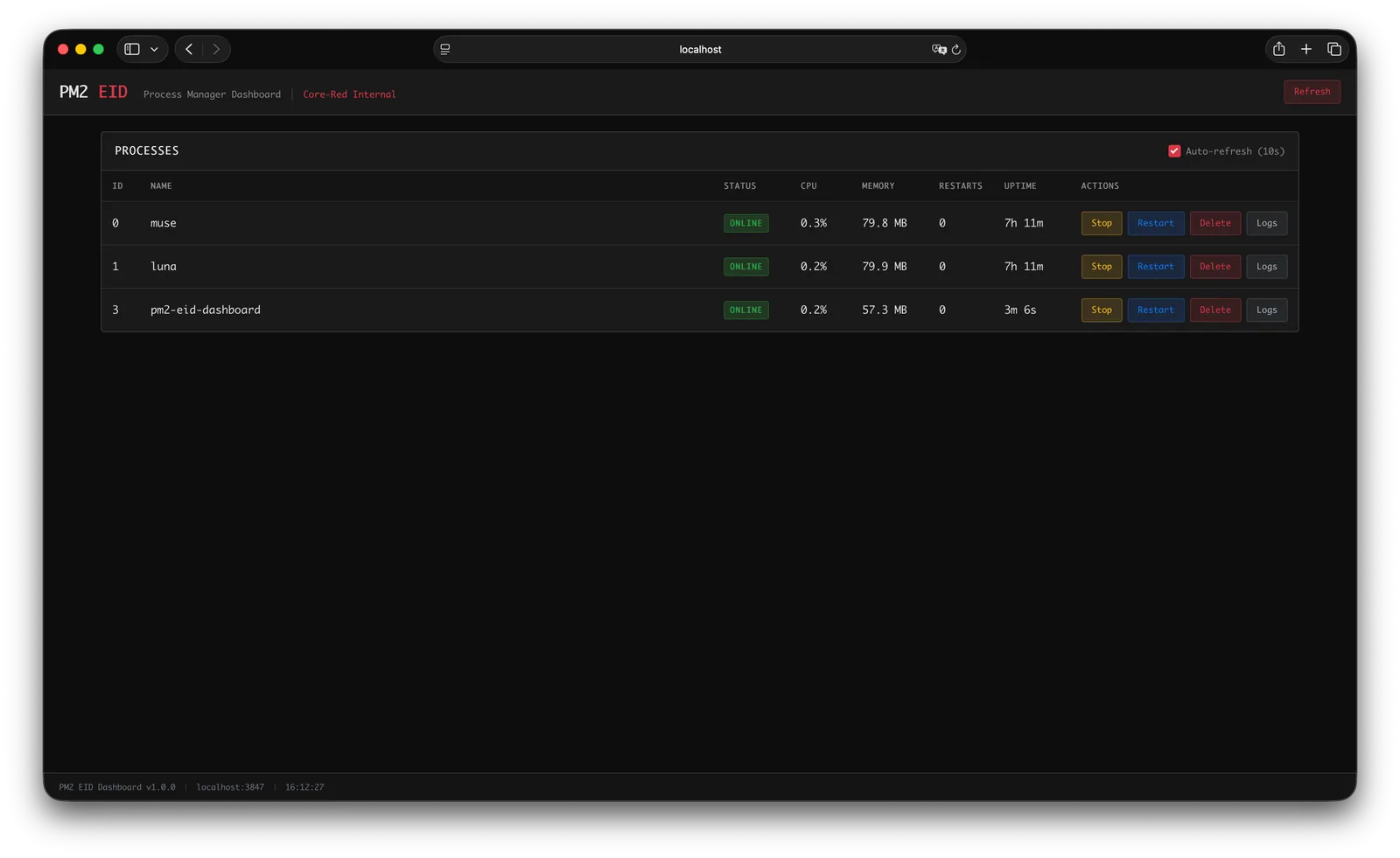

PM2 EID
Web Application
est. 2025Lightweight, self-hosted dashboard for managing PM2 processes and Discord bots.
PM2 EID is a self-hosted dashboard for managing PM2 processes associated with Discord bots and other JavaScript runtime applications. Visibility into each process’s status, control over start, stop, and restart — without needing direct server access. Lightweight, no unnecessary external dependencies, and built to run where the processes live.
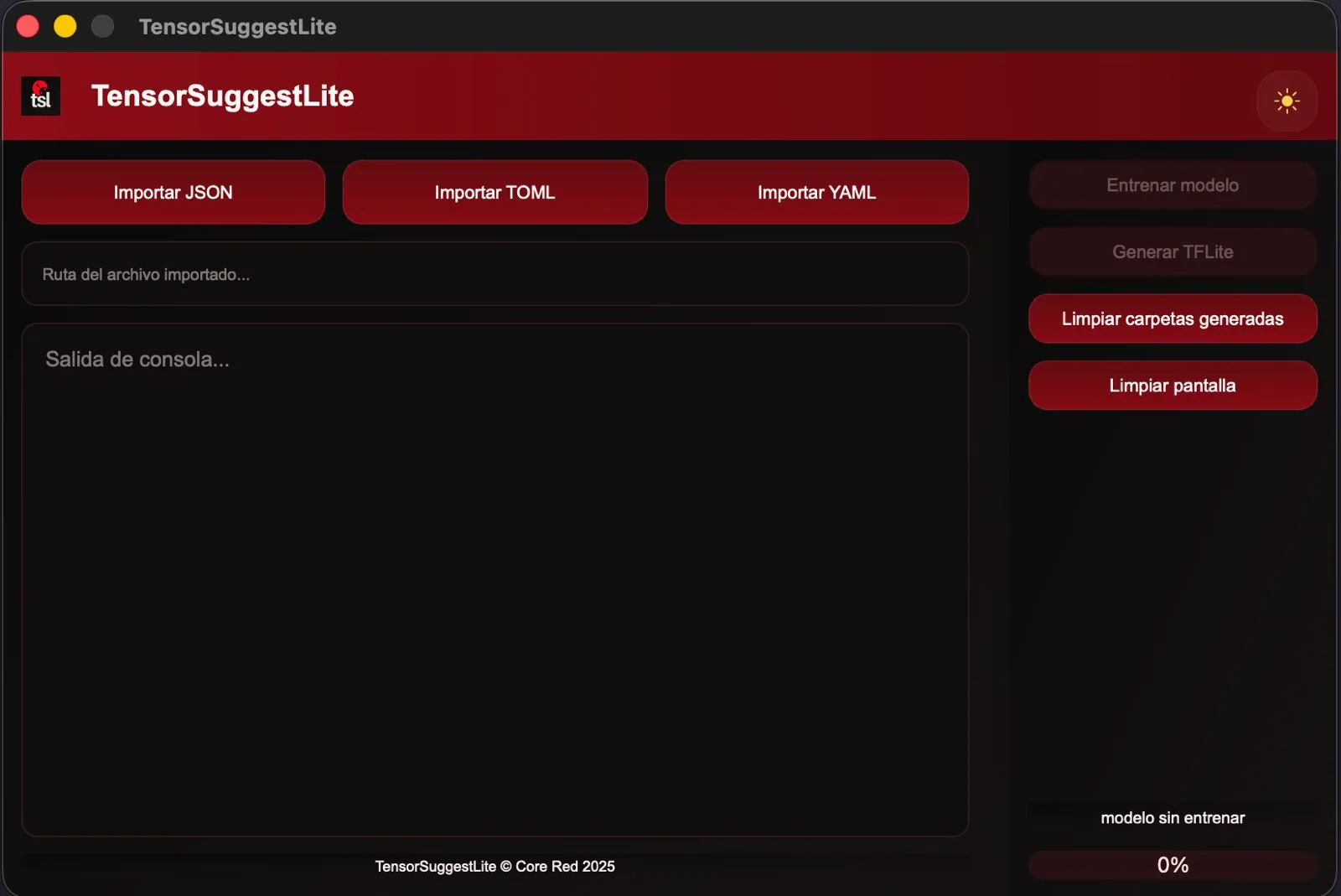

TensorSuggestLite
Desktop Application
est. 2024From configuration files to trained classification models — no boilerplate, no hidden complexity.
TensorSuggestLite transforms structured configuration files (JSON, YAML, TOML) into trained TensorFlow/Keras text classification models with automatic TFLite export for embedded deployment. Configuration is the training data — define categories and examples, and the system handles tokenization, training, and export. Pragmatic ML: declarative inputs, transparent processing, portable outputs.
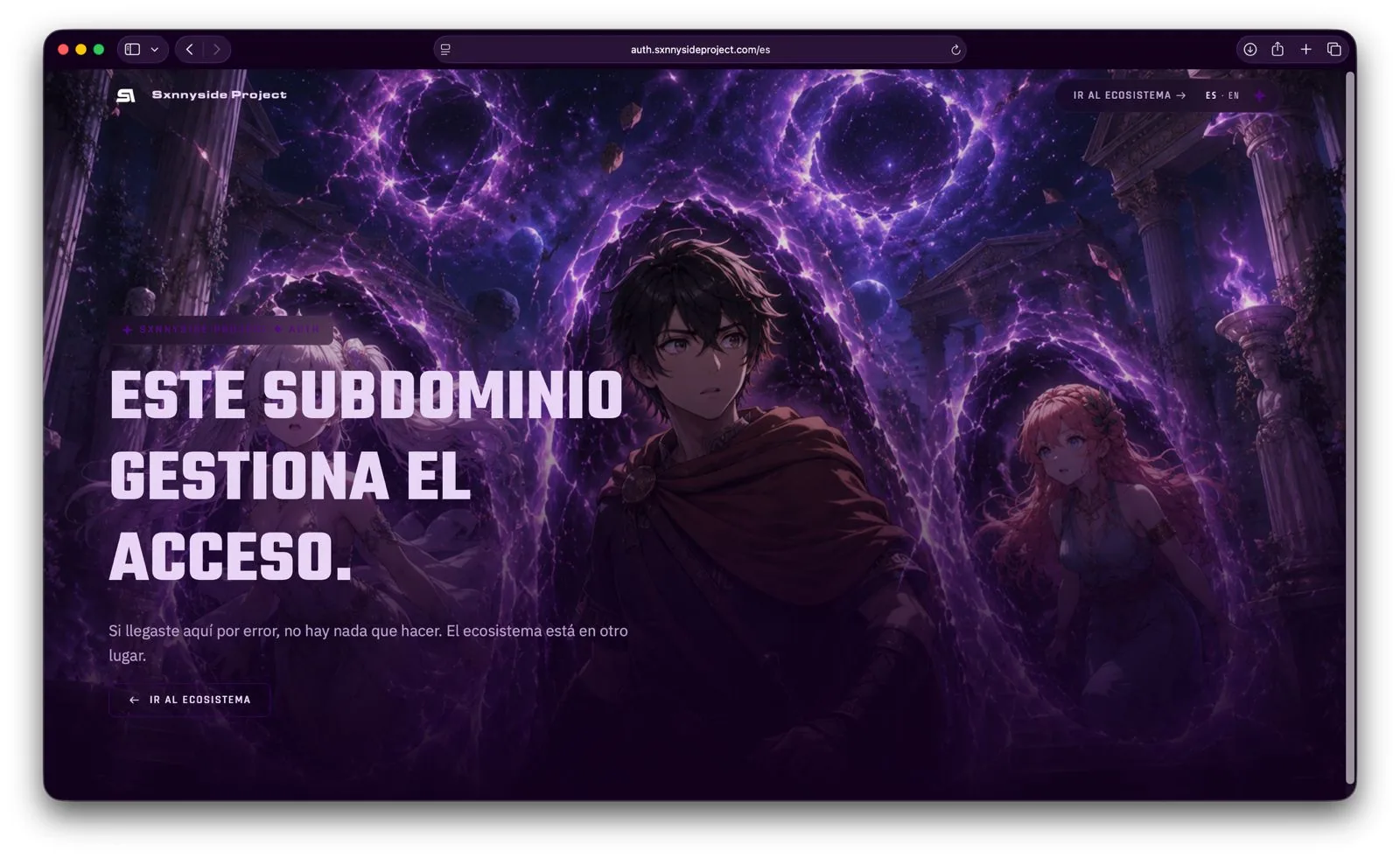
Auth Website
Website
est. 2026The ecosystem's identity threshold — manages unified access and secure validation for every credential.
The centralized entry point for the environment's public platforms and services. It functions as the identity guardian that validates sessions, secures the credential flow, and unifies access control from the web without intermediaries. The gateway to the ecosystem. You decide which facet to show.
Lacuna
CLI Tool
est. 2026Chunk-based local binary compression tool — autonomously evaluates and selects the best algorithm in memory.
Lacuna provides high-performance, zero-dependency binary compression. It implements bit-level Huffman coding and Run-Length Encoding (RLE) through an automatic selection pipeline that determines the most optimized format for local data streams and configuration files. Redundancy reduction without external calls. Designed to operate where infrastructure is minimal.
Somnia
Project
est. 2026Procedural audio generation engine with constant memory footprint — infinite sound streams for constrained hardware.
Somnia is a procedural melodic generation engine designed to operate under severe hardware constraints without dynamic memory allocation. It utilizes one-dimensional value noise and modal quantization to transform deterministic seeds into continuous acoustic telemetry streams, compatible with both desktop environments and 8-bit microcontrollers. Lazy-evaluated architecture with constant space complexity. Mathematical music that never compromises system resources.